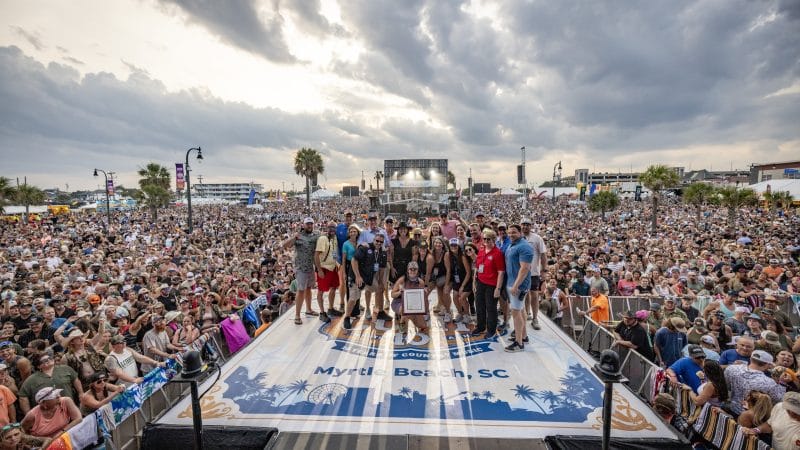
Great Sponsorships Are About More Than Visibility
For event organizers, sponsorships can provide valuable financial support, resources, and opportunities to expand an event’s reach.
For brands, sponsoring an event can create meaningful connections with audiences who share their interests.
But successful sponsorships don’t happen simply because a company has money to invest and an event has advertising space to sell.
The strongest partnerships are built around shared goals, clear expectations, and opportunities that deliver measurable value.
If you want to attract quality sponsors and develop lasting relationships, your sponsorship strategy needs to go beyond traditional logo placement.
1. Understand What Your Audience Offers
Before approaching potential sponsors, understand the people attending your event.
Brands want to know who they will reach and why that audience matters.
Consider:
- Audience demographics and interests.
- Attendance and engagement history.
- Geographic reach.
- Purchasing behaviors and interests.
- Social media reach and digital engagement.
The better you understand your audience, the easier it becomes to identify sponsors whose products, services, and brand values align with your event.
2. Identify the Right Sponsorship Opportunities
Not every sponsor wants the same thing.
One brand may want naming rights, while another may be interested in product sampling, onsite experiences, digital exposure, or audience engagement.
Develop a variety of opportunities that allow potential partners to choose how they want to participate.
Examples include:
- Presenting and title sponsorships.
- Stage or entertainment sponsorships.
- VIP and hospitality experiences.
- Branded installations and activations.
- Digital and social media promotions.
- Product demonstrations and sampling.
- Onsite signage and promotional opportunities.
A thoughtful sponsorship inventory helps organizers understand what they can offer and how each opportunity supports the overall event.
3. Develop Sponsorship Packages That Sell Value
A sponsorship proposal should do more than list benefits.
It should explain why the partnership makes sense and what the sponsor can expect to gain.
An effective sponsorship deck should include:
Event Overview: Introduce the event, its purpose, audience, and overall experience.
Audience Insights: Present relevant information about attendance, demographics, and engagement.
Sponsorship Opportunities: Clearly outline available assets, activations, and promotional placements.
Investment Levels: Explain the available partnership options and associated benefits.
Customization: Demonstrate how opportunities can be tailored to individual brand objectives.
Measurement: Explain how sponsor exposure and deliverables will be documented.
A customized proposal shows potential partners that you’ve taken the time to understand their goals.
4. Make Sponsor Activations Memorable
The best sponsorships become part of the event experience.
Instead of simply displaying a sponsor’s logo, create opportunities for attendees to interact with the brand.
This could include interactive experiences, photo opportunities, product demonstrations, contests, branded lounges, or digital engagement campaigns.
Creative activations give attendees something memorable while helping sponsors establish a stronger connection with their target audience.
5. Deliver on Every Promise
One of the most important parts of sponsorship management happens after an agreement is signed.
Organizers must ensure that every contracted sponsorship benefit is delivered.
This includes:
- Confirming promotional placements.
- Coordinating branded materials.
- Managing sponsor communications.
- Overseeing onsite activations.
- Capturing photographic evidence.
- Tracking digital and promotional exposure.
Professional execution builds trust and makes sponsors feel confident about their investment.
6. Show Sponsors the Results
A partnership shouldn’t end when the event is over.
A comprehensive proof-of-performance report helps demonstrate the value delivered.
Include photographs, activation summaries, promotional examples, digital analytics, attendance information, and other relevant performance metrics.
These reports provide sponsors with tangible evidence of their involvement and create a foundation for future conversations.
Turn Sponsorship Opportunities Into Lasting Partnerships
Successful sponsorship management requires strategy, creativity, organization, and attention to detail.
WhirlWind Creative helps bring sponsorship programs together through strategy and inventory development, asset identification and valuation, customized pitch decks, activation management, onboarding, and proof-of-performance reporting.
Our approach focuses on helping event organizers create valuable partnerships while ensuring sponsors receive the attention and results they deserve.
Looking to build a stronger sponsorship program?
Connect with WhirlWind Creative and discover how strategic sponsorship management can help your next event reach its full potential.